
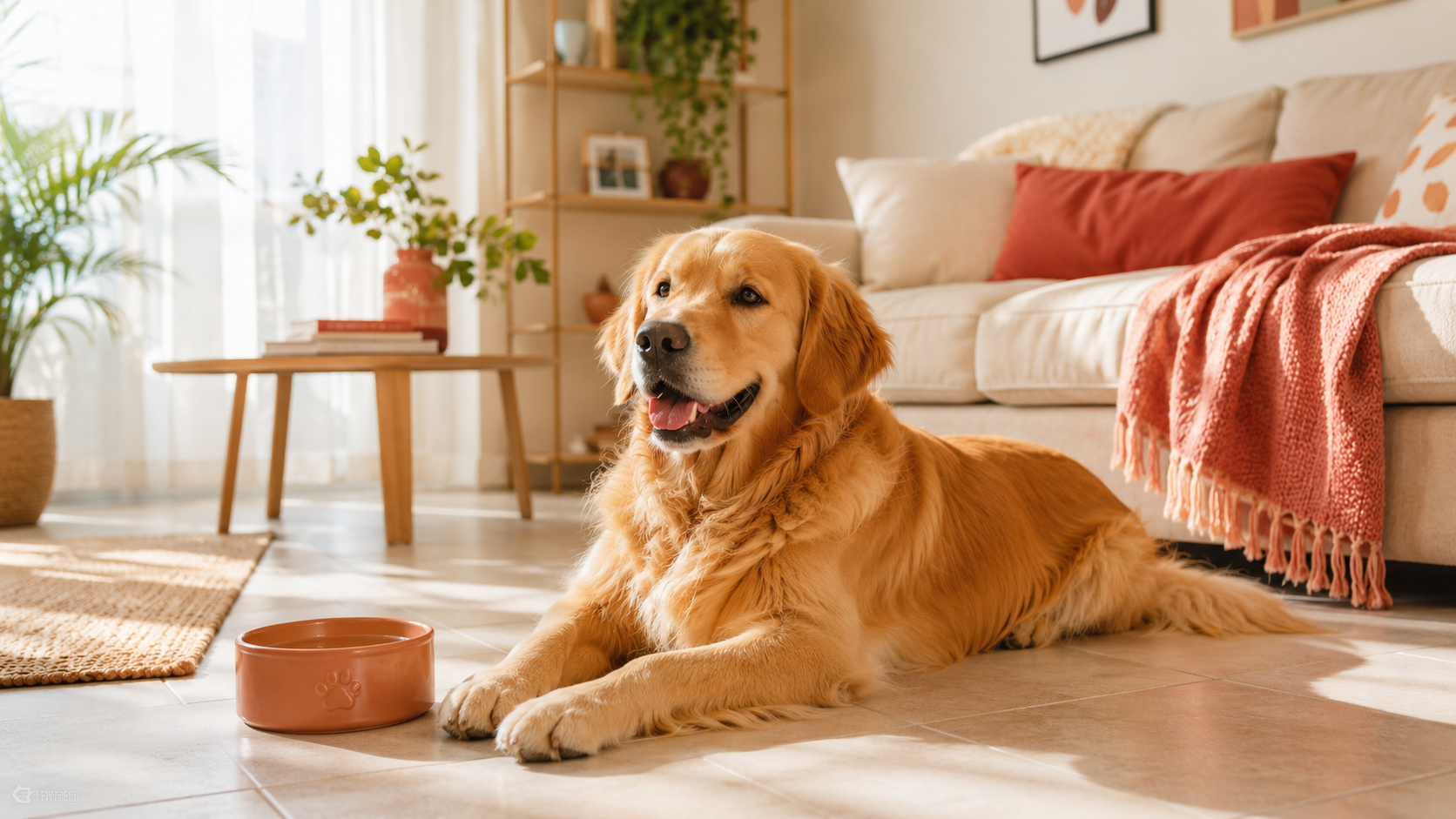
Heatwaves are arriving earlier, lasting longer, and pushing thermometers higher than they used to. For us, that might mean an extra iced coffee and closed blinds. For our pets, extremely high temperatures are a genuine health emergency waiting to happen — and it can happen fast. Dogs and cats can't sweat the way we do, they're often wearing a fur coat they can't take off, and they're much closer to the blistering pavement than we are. This guide walks through exactly what extreme heat does to a pet's body, the early signs owners miss, and the small daily changes — plus a few thoughtfully personalized products — that make a real difference.
Why Extremely High Temperatures Hit Pets Harder Than Us
It's tempting to assume that if it's tolerable for a human standing in the shade, it's tolerable for a dog. It isn't. Pets are working with a much smaller cooling toolkit.
They can't sweat the heat away
Dogs release heat mainly by panting and through the small sweat glands in their paw pads — nowhere near as efficient as full-body human sweating. Cats pant even less readily, which is part of why panting in a cat is considered an urgent warning sign rather than a normal cooling behavior.
Fur is insulation, not always protection
A thick or double coat traps body heat close to the skin. Shaving it down to the skin isn't automatically the fix either — fur also reflects sunlight and shields skin from burns, so the right approach is usually trimming and grooming, not a buzz cut.
The ground is hotter than the air
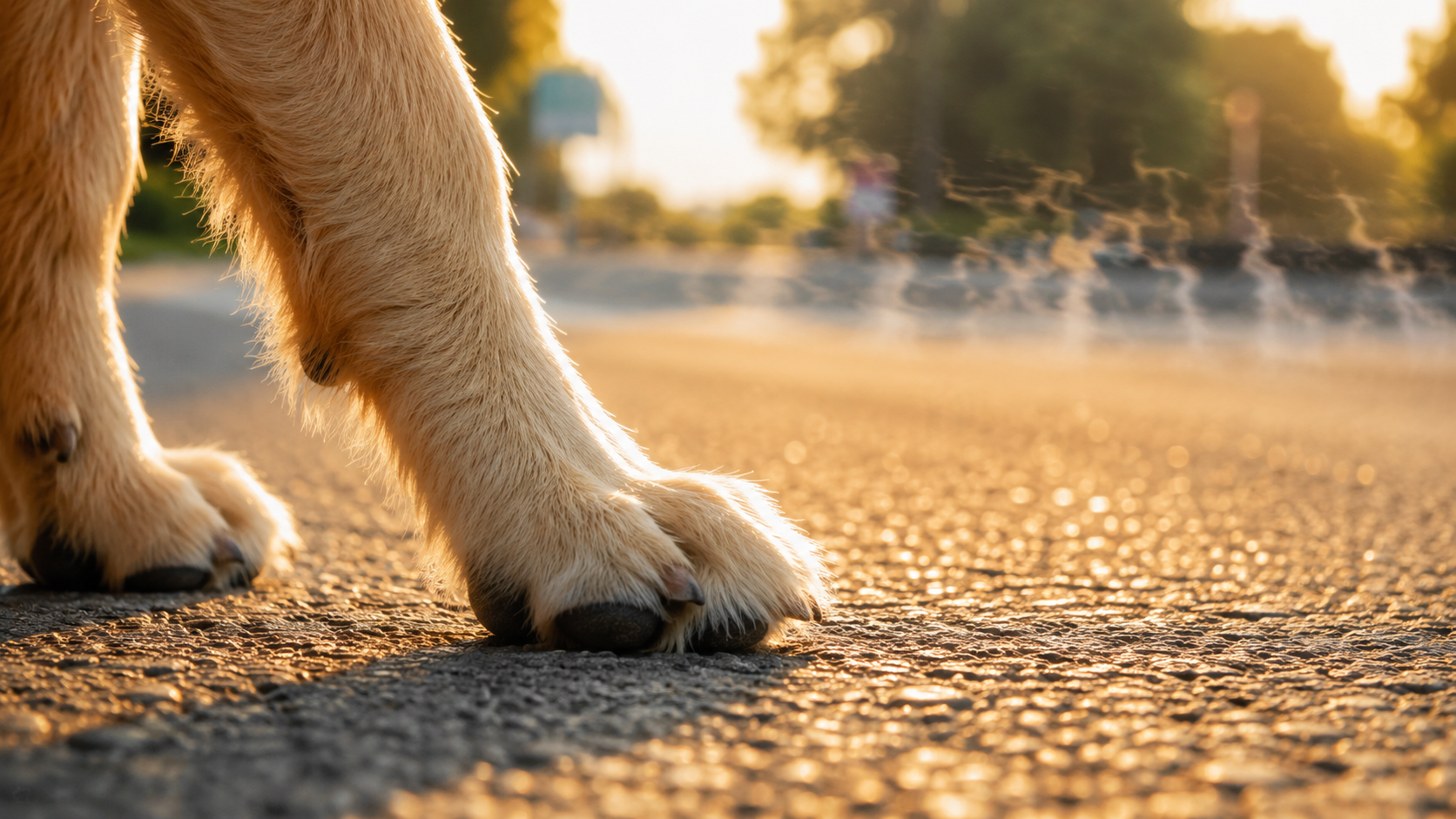
On a 30°C (86°F) day, asphalt can reach 50–60°C (122–140°F) — hot enough to burn paw pads in under a minute. Pets walking low to the ground also sit inside a layer of radiant heat that never reaches our knees.
Some breeds start at a disadvantage
Brachycephalic breeds (Pugs, French Bulldogs, Persians, and similar flat-faced breeds) have narrower airways, which makes panting — their main cooling method — far less effective. Senior pets, overweight pets, and very young puppies or kittens also regulate temperature less efficiently.
Early Warning Signs of Heat Stress You Should Never Ignore
Heatstroke moves in stages, and catching it early is what keeps a scary afternoon from becoming an emergency vet visit. Watch for:
- Heavy, rapid panting that doesn't settle after a few minutes of rest and shade
- Bright red or purple gums and tongue, or gums that look unusually pale
- Excessive drooling, thicker than usual
- Stumbling, wobbling, or reluctance to move
- Vomiting or diarrhea appearing suddenly during or after heat exposure
- Collapse or seizure-like episodes — this is a medical emergency
Building a Heat-Safe Daily Routine
Most heat protection isn't about buying the perfect product — it's about timing and habit. Here's the routine we recommend to every pet parent during a heatwave.
Shift walks to the edges of the day
Aim for early morning or after sunset, when both air and pavement have had time to cool. If you must go out midday, keep it to grass, dirt, or shaded sidewalks, and cap it at a few minutes.
Water needs to be everywhere, not just somewhere
One bowl in the kitchen isn't enough during a heatwave. Add a second bowl near a resting spot, refresh water more often than usual (warm water sitting in the sun is far less appealing), and bring a portable bowl on every outing, even short ones.
Give them a cool retreat, not just shade
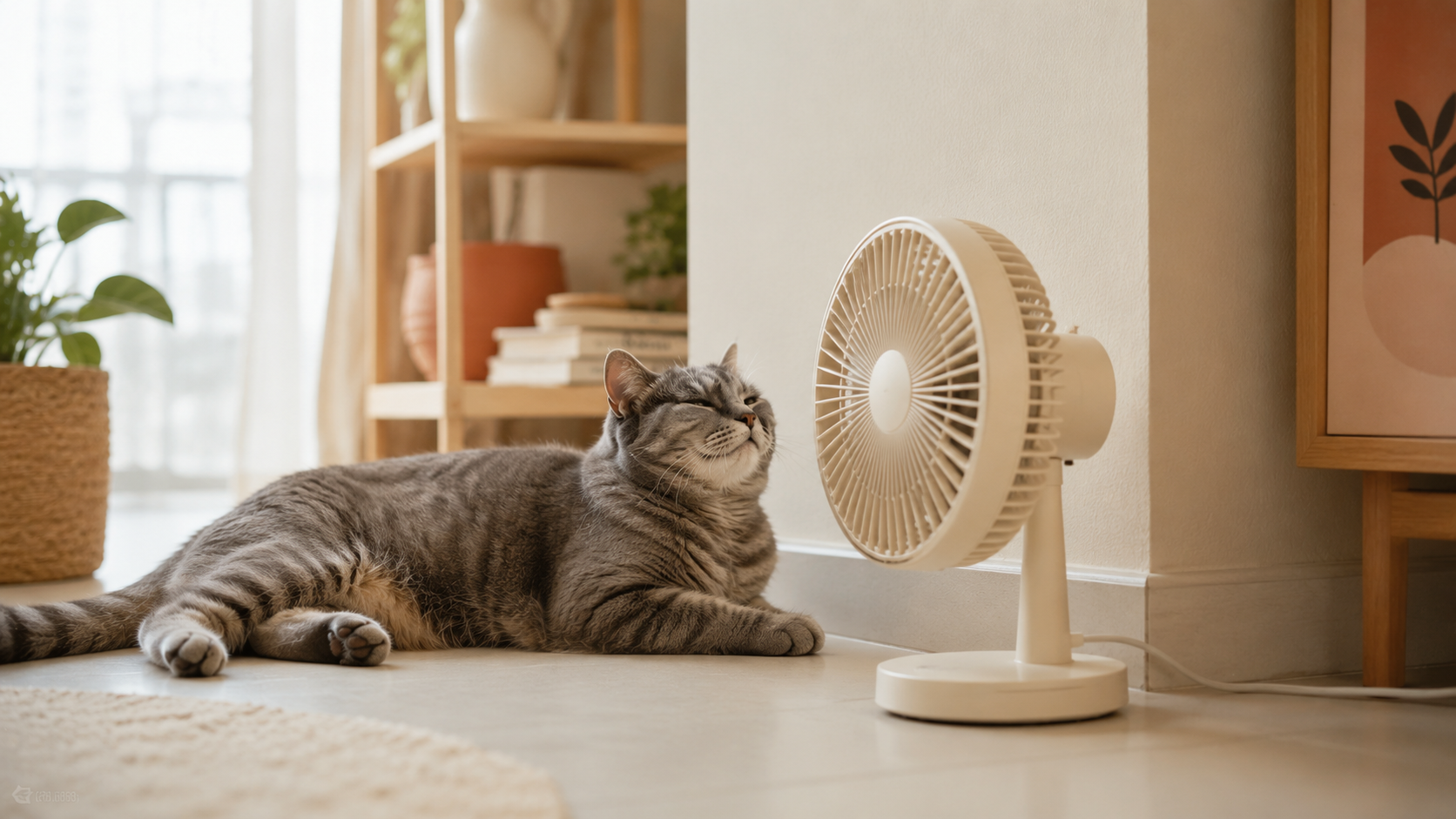
Shade blocks sun but doesn't lower ambient temperature much on its own. Pair it with airflow — a fan, an open window with cross-breeze, or a tiled floor — so your pet has somewhere that actually feels cooler, not just dimmer.
Groom smart, not short
Brush out undercoat regularly to improve airflow to the skin, but leave enough length to protect against sunburn. For short-haired or light-coated pets, a pet-safe sunscreen on exposed skin (ears, nose, belly) is worth asking your vet about.
Never, ever leave a pet in a parked car
Even with windows cracked, a car's interior can climb 20°C above the outside temperature in about 10 minutes. This one alone accounts for a huge share of preventable heatstroke cases every summer.
Our Pick: A Personalized Cool-Down Kit From LEDLYY
Because we design personalized gifts for pet lovers every day, we put together a small, genuinely useful lineup from our own catalog — pieces that support a heat-safe routine while still being something you'll want to keep on the shelf, not just in the utility closet.
Personalized Fun Slow Feeder Dog Bowl
A 3D-printed, name-personalized slow feeder that also works beautifully as a slow-drink bowl — encouraging steady sipping instead of frantic gulping after a hot walk, which helps prevent bloating and overheated stomachs. Dishwasher-friendly and sized for daily refills.
Shop the BowlCustom Pet Pillow, Personalized Picture Pillow
A soft, photo-personalized pillow shaped around your pet's likeness — perfect for marking out a dedicated "cool corner" near a fan or tiled floor, so your pet has one clear, comfortable spot to retreat to when the temperature spikes.
Shop the PillowCustom Pet Photo Engraved Name Necklace
Not a cooling product — a comfort one. On the days your pet is resting indoors through the hottest hours instead of joining you outside, this keepsake necklace lets you carry their face with you anyway. A small thing that pet parents tell us matters more than they expected.
Shop the NecklaceSee the Full For Pet Lovers Collection →
Beyond Our Shelves: Other Cooling Gear Worth Knowing About
A complete heat-safety kit usually pulls from more than one source. Here are categories of products widely available from pet specialty retailers that pair well with the routine above:
Evaporative cooling mats or gel pads
Pressure-activated gel or water-filled mats that stay noticeably cooler than the surrounding floor without needing refrigeration or electricity.
Cooling vests and bandanas
Fabric that's soaked in water and worn during walks, using evaporation to draw heat away from the body — useful for active dogs on longer outings.
Elevated mesh cots
Raised beds that let air circulate underneath the body instead of trapping heat against a solid floor — a simple upgrade for outdoor or garage resting spots.
Collapsible travel water bowls
Lightweight silicone bowls that clip to a leash or bag, making it effortless to offer water every few minutes on a walk instead of only at the end.
Pet-safe sunscreen
Zinc-free, fragrance-free formulas made for light-coated, hairless, or thin-furred pets, applied to ears, nose bridge, and belly before sun exposure.
Frozen lick mats and treat kits
Silicone mats spread with a pet-safe puree and frozen — a slow, engaging way to cool a pet down from the inside without the shock of ice water.
Special Considerations by Breed and Life Stage
Brachycephalic breeds (Pugs, Bulldogs, Persians, and similar)
Keep outings very short, avoid exercise entirely during peak heat, and treat any labored breathing as urgent rather than "just how they sound."
Thick or double-coated breeds (Huskies, Golden Retrievers, Maine Coons)
Regular deshedding brushes out the insulating undercoat without removing the protective topcoat — far better than shaving to the skin.
Senior pets
Older joints and organs handle temperature swings less efficiently. Shorten walks further, prioritize air conditioning over fans alone, and watch hydration closely.
Puppies and kittens
Small bodies overheat and dehydrate faster relative to their size. Frequent, shorter water and rest breaks matter more than duration of activity.
Cats specifically
Cats hide discomfort well and rarely pant unless they're already in trouble. Lethargy, hiding in unusual places, or refusing food during a heatwave deserves attention sooner rather than later.
What To Do If You Suspect Heatstroke
- Move your pet out of direct sun and into shade or an air-conditioned space immediately.
- Offer small amounts of cool (not ice-cold) water — never force water into the mouth.
- Wet the paw pads, ears, and belly with cool water, or lay a damp towel over the body (replace it once it warms up rather than leaving it and trapping heat).
- Use a fan to increase airflow over the wet fur for faster evaporative cooling.
- Call your veterinarian or an emergency animal hospital right away, even if symptoms seem to be easing — internal effects can continue after the surface temperature drops.
Quick Comparison: Cooling Approaches at a Glance
| Approach | Best for | Effort level | Notes |
|---|---|---|---|
| Timing walks early/late | All pets | Low | Free, and the single highest-impact change you can make |
| Multiple water stations + slow feeder bowl | All pets | Low | Prevents gulping and keeps water appealing longer |
| Cooling mat or elevated cot | Indoor/outdoor resting pets | Low–Medium | Passive cooling, no ongoing effort once set up |
| Cooling vest or wet bandana | Active dogs on walks or hikes | Medium | Needs re-wetting periodically to stay effective |
| Grooming/deshedding routine | Double-coated breeds | Medium | Ongoing but improves comfort well beyond summer |
Frequently Asked Questions
Is it ever okay to shave my dog for summer?
For most breeds, no — light trimming and regular brushing is safer than shaving to the skin, since the coat also blocks sunburn. Some single-coated breeds are an exception; ask a groomer familiar with your specific breed.
How hot is too hot for a walk?
A rough rule: if you can't hold the back of your hand on the pavement comfortably for 5–7 seconds, it's too hot for paw pads. Air temperature above roughly 29–32°C (85–90°F), especially with high humidity, is a good cue to shorten or reschedule.
Do cats need heat protection too, or just dogs?
Cats absolutely need it, even indoor-only ones. They're just quieter about showing distress, so watch for lethargy, hiding, or reduced appetite rather than obvious panting.
Can I give my pet ice cubes or ice water?
Cool water is safer than ice-cold water, which can cause stomach upset in an already stressed body. A partially frozen lick mat is a gentler way to combine cooling with hydration.
How long can heatstroke symptoms take to show?
Sometimes minutes, sometimes it builds gradually over an outing. This is exactly why frequent water and shade breaks matter more than watching for a single dramatic symptom.
Keep Summer Sweet, Not Stressful
Build a heat-safe corner your pet actually loves — personalized, comfortable, and ready before the next heatwave hits.
Shop the For Pet Lovers Collection