

Custom clothes are an investment. Whether it is a hand-embroidered sweatshirt or a DTF-printed tee, you paid extra to make it personal. But the laundry is where most of that investment goes to die. One hot wash cycle is all it takes to shrink the cotton, fray the embroidery, or crack the print.
Keeping your custom pieces looking new does not require expensive dry cleaning. It just requires a few adjustments to your normal laundry routine.
The Quick Answer: 4 Rules to Save Your Custom Clothes
If you only have a minute, here is the bottom line. Follow these four rules and you will solve 90% of laundry damage:
The Golden Rules
- Turn it inside out. Always. It protects stitches and prints from machine friction.
- Use cold water only. Heat destroys DTF print adhesives and shrinks cotton fibers.
- Air dry flat or hang. The dryer's heat is the fastest way to ruin a custom piece.
- Avoid heavy fabrics. Wash with soft t-shirts, never with jeans, towels, or items with zippers.
What to Never Do
- Never iron directly on the design. Always iron the back, or use a thin cotton cloth as a barrier.
- Never use fabric softener. It leaves a residue that breaks down print adhesives over time.
- Never pull a snagged thread. Snip it carefully with small scissors instead of pulling.
Why the Washing Machine Ruins Custom Clothes
If you follow the rules above, your clothes will survive. But if you are wondering why custom garments get ruined in the first place, the culprit is the combination of friction and heat inside the washing machine. Regular plain clothes can handle a lot of abuse. Custom details cannot.
When you wash an embroidered piece with heavy items like jeans or towels, the rough fabrics rub aggressively against the raised threads. Over time, this causes the embroidery to pill, fray, or pull loose. For printed clothes, high heat from the dryer or hot water breaks down the chemical adhesive that holds the ink to the fabric. Once that adhesive fails, the print starts to peel or crack.
The goal of washing custom clothes is not just to clean them—it is to protect the delicate texture of the thread and the integrity of the print.
The 4-Step Laundry Routine in Practice
To put the "Golden Rules" into action, here is the exact routine you should follow every time you do laundry:
- Turn it inside out: This is the most crucial step. By turning the garment inside out, you expose the soft inner lining to the machine's agitation, while keeping the delicate outer surface and embroidery safely protected. It prevents the threads from snagging on other garments.
- Use cold water: Hot water is a disaster for custom wear. It causes cotton to shrink rapidly and breaks down printed inks. Cold water cleans just as effectively for everyday wear, while keeping the shape and vibrant colors perfectly intact.
- Wash with similar colors and soft fabrics: Do not toss your custom piece in with heavy zippers, rough towels, or thick denim. These items cause physical wear and tear in the drum. Wash your custom item with soft items like t-shirts, or choose a gentle/delicate cycle on your machine.
- Use a mesh laundry bag: For heavily embroidered items with intricate details, put them inside a mesh laundry bag. This acts as an extra physical barrier against snagging and prevents the embroidery from being stretched.
How to Dry Them Safely
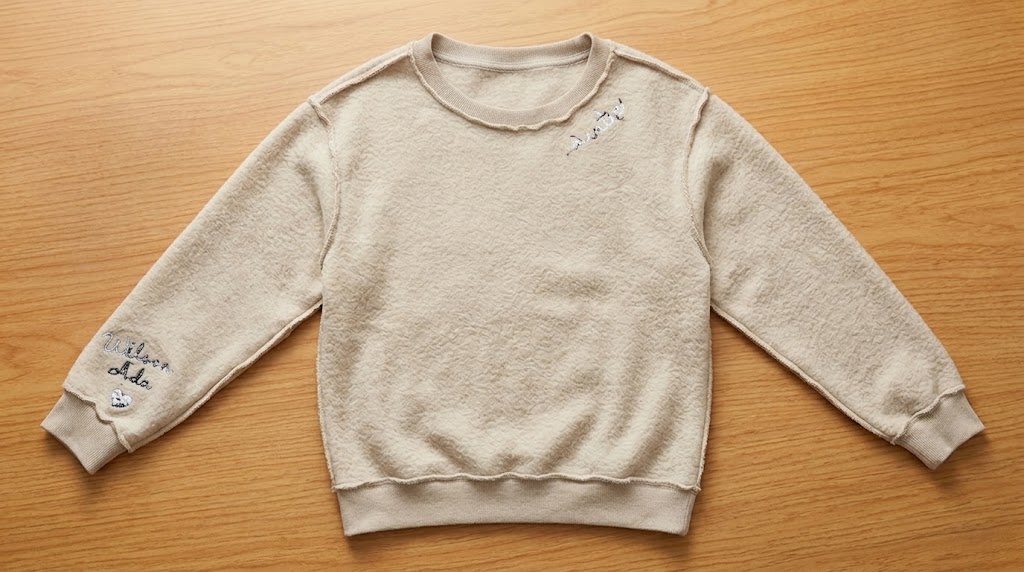
The dryer is the ultimate enemy of custom clothes. High heat will shrink the fabric and destroy the integrity of the print or embroidery. If you want your custom piece to last for years, you must avoid the dryer.
Air drying is always the safest option. Lay the garment flat on a drying rack or hang it on a line. Keep it away from direct, harsh sunlight, as prolonged exposure can fade the colors of both the fabric and the print.
Use the lowest heat setting (or "air fluff" mode) for a very short time to remove wrinkles, then take it out while it is still slightly damp and hang it to finish drying naturally.
Frequently Asked Questions
Never touch the iron directly to the embroidery or the print. Iron the garment inside out, or place a thin cotton towel over the design before applying low heat.
No. Fabric softener leaves a waxy residue that breaks down the adhesive in DTF prints over time. It is better to skip it completely for all custom clothes.
Do not pull the loose thread, as this can unravel the entire design. Use a small pair of sharp scissors to carefully snip the snag as close to the fabric as possible, then gently rub the area to settle the stitches.
Protect Your Custom Details
Cold water, inside out, and air dried—that is all it takes.
Browse Custom Sweatshirts